Climate Change

Building resilience to climate change requires action on many fronts — from the classroom to the community, from rural farms to coastal waters.

Climate champions learn resilience

Building Resilience and Adaptation to Climate Change

Our climate adaptation work equips children, young people, and communities with the skills, resources, and opportunities they need to adapt, thrive, and lead.

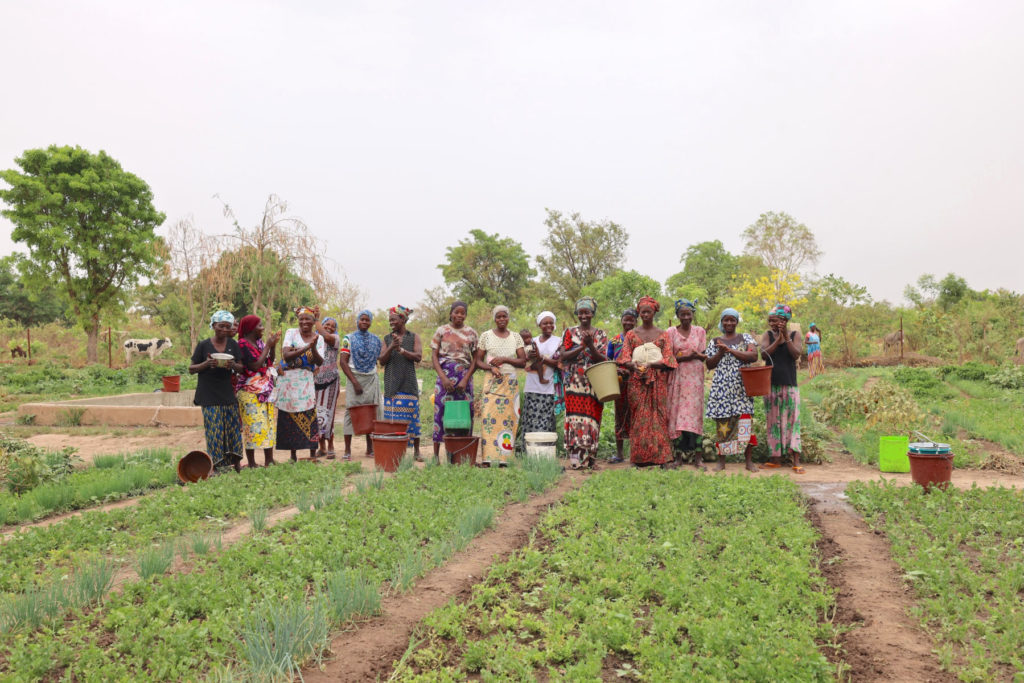
Women in a market gardening group in Mali

West Africa and the Sahel: Climate Challenges and Conflict

In West Africa and the Sahel, prolonged droughts, unpredictable rainfall, desertification, and failing crops put immense pressure on scarce resources, increasing tensions and fueling local conflicts over land, water, and livelihoods. Climate change intensifies natural disasters and deepens inequalities, often intersecting with pre-existing social, economic, and political conflicts.

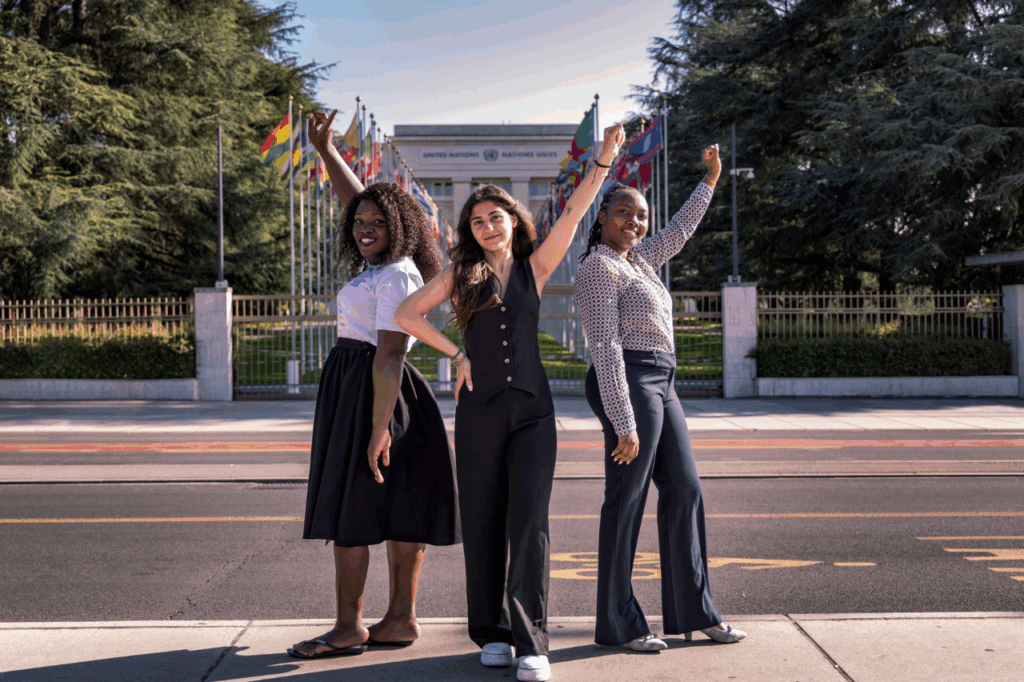
Three women confidently pose in front of the United Nations building with flag backdrop.

Girls and Climate Change

Girls are often among the hardest hit. They may be taken out of school, face increased risks of child early and forced marriage, and have less access to resources and decision-making. When climate disasters strike, girls are often the first to lose access to education, yet when empowered, they become powerful drivers of change. Around 80 percent of people displaced by climate change are women and girls, highlighting both their vulnerability and the urgent need to support their leadership in building resilient and thriving communities.

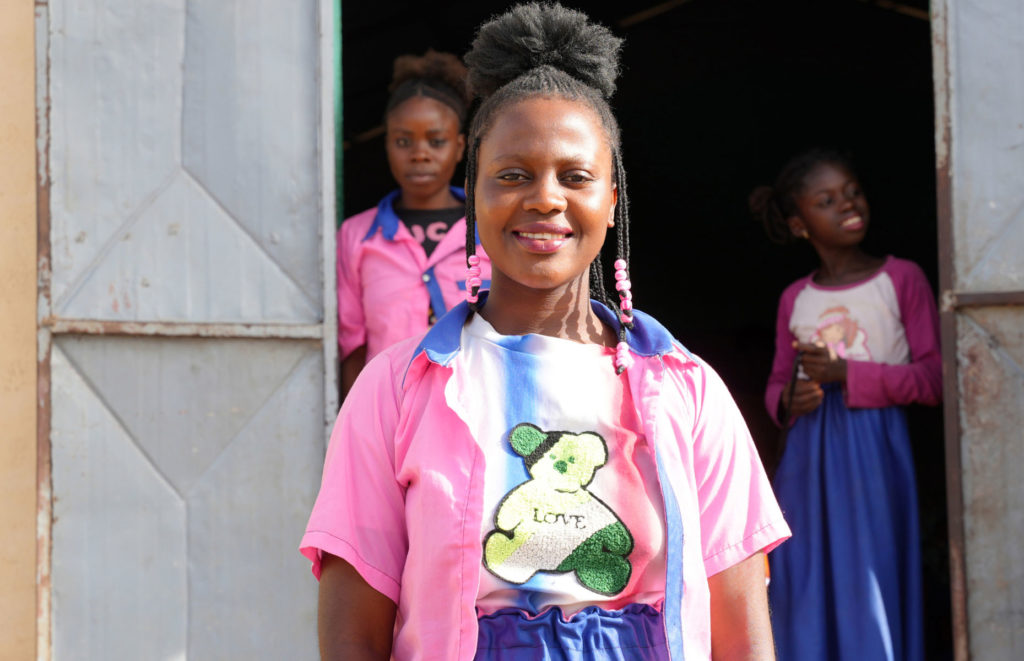
Helene is a participant in the SQRIBE programme

SQRIBE: Climate Action in African Classrooms

Through the Irish Aid–funded SQRIBE programme, we integrate climate action directly into learning. Teachers are equipped to include climate change, environmental protection, and disaster risk reduction in lessons. Students participate in practical environmental activities, and schools are supported to become greener, safer, and more resilient. Our approach ensures that out-of-school children, refugees, internally displaced people, adolescent girls, and children with disabilities are included in climate adaptation efforts.

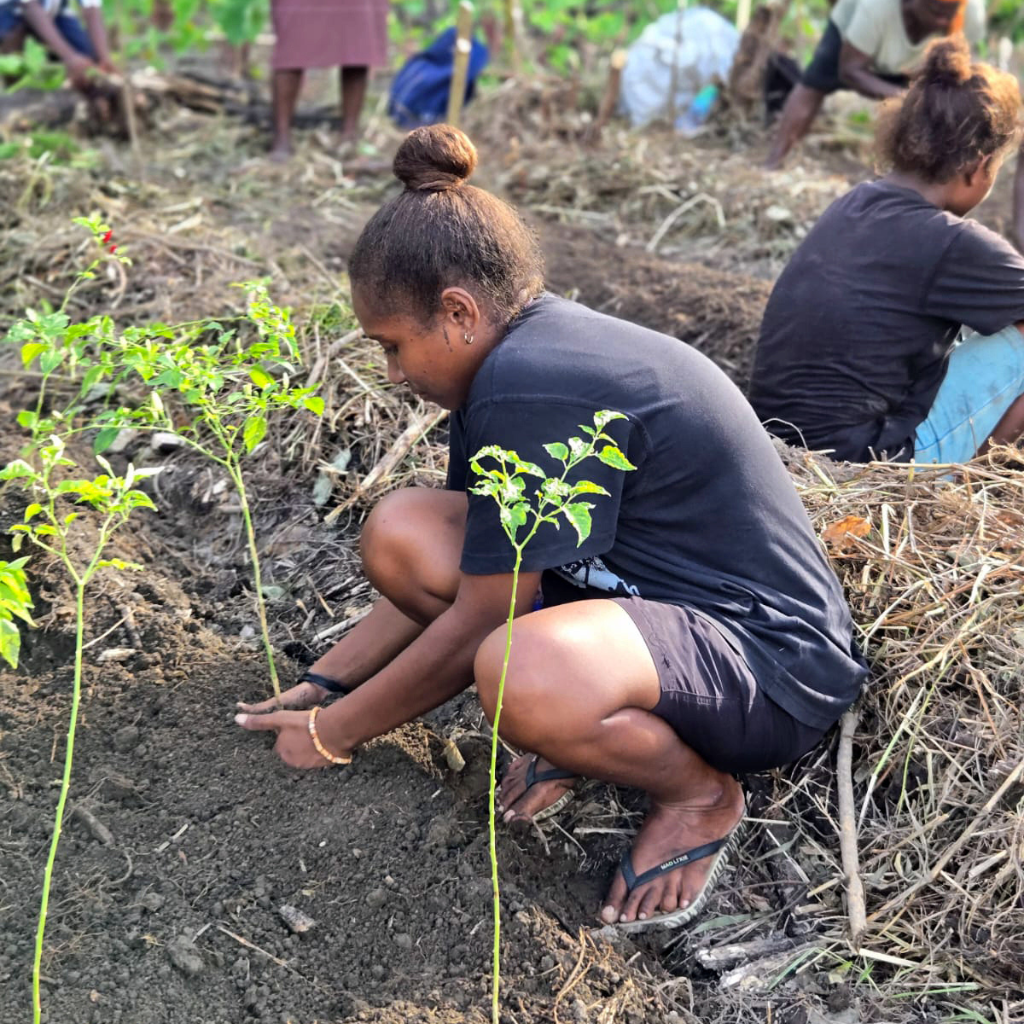
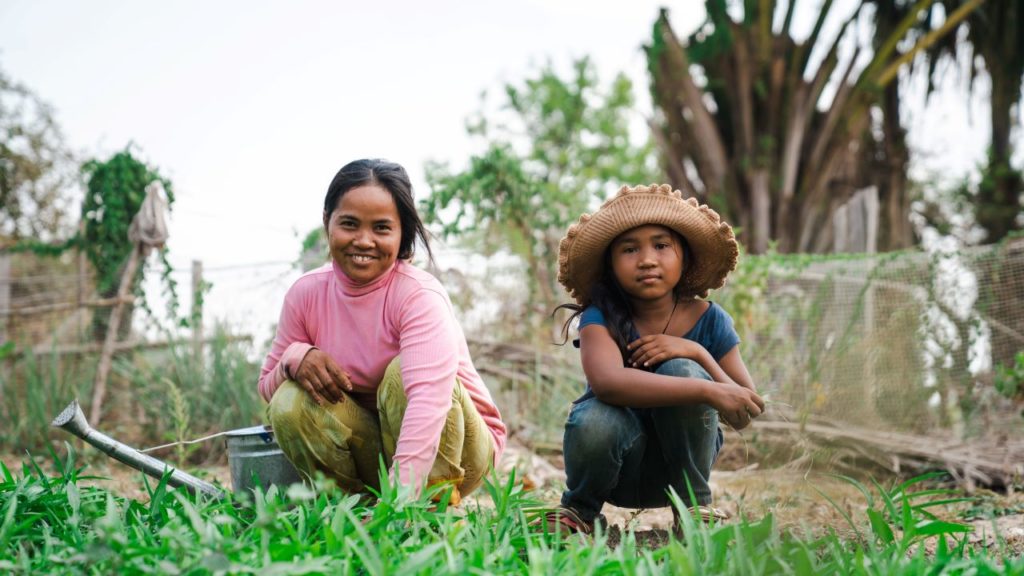
Two people gardening outdoors, smiling and enjoying nature, with plants and greenery in the background.

Responding to Climate-Related Disasters

We work with communities to strengthen preparedness and long-term resilience against climate-related disasters such as typhoons, floods, and droughts. This includes disaster preparedness training, early warning systems, and initiatives that help communities adapt and recover. We also make schools safe by repairing damage quickly, implementing gender- and age-aware disaster planning, and ensuring uninterrupted education through continuity plans.

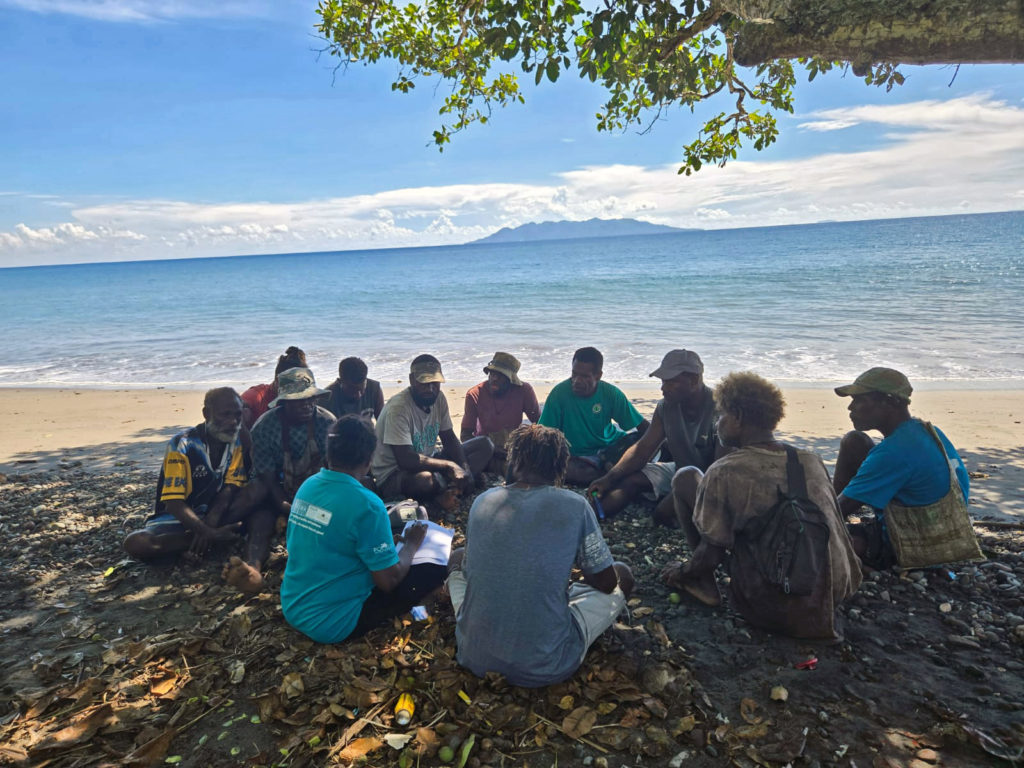
Climate champions meet on the beach

The Pacific: Youth-Led Climate Action

In the Pacific, rising sea levels, cyclones, floods, and coastal erosion threaten homes, agriculture, and freshwater, creating social strain and displacement. We work with youth, decision makers, civil society organisations, and community leaders to strengthen capacity and foster climate leadership. This work focuses on skills for sustainable livelihoods, creating economic opportunities, and empowering young people to engage in climate policy dialogue, lead community resilience projects, and advocate for urgent climate action.
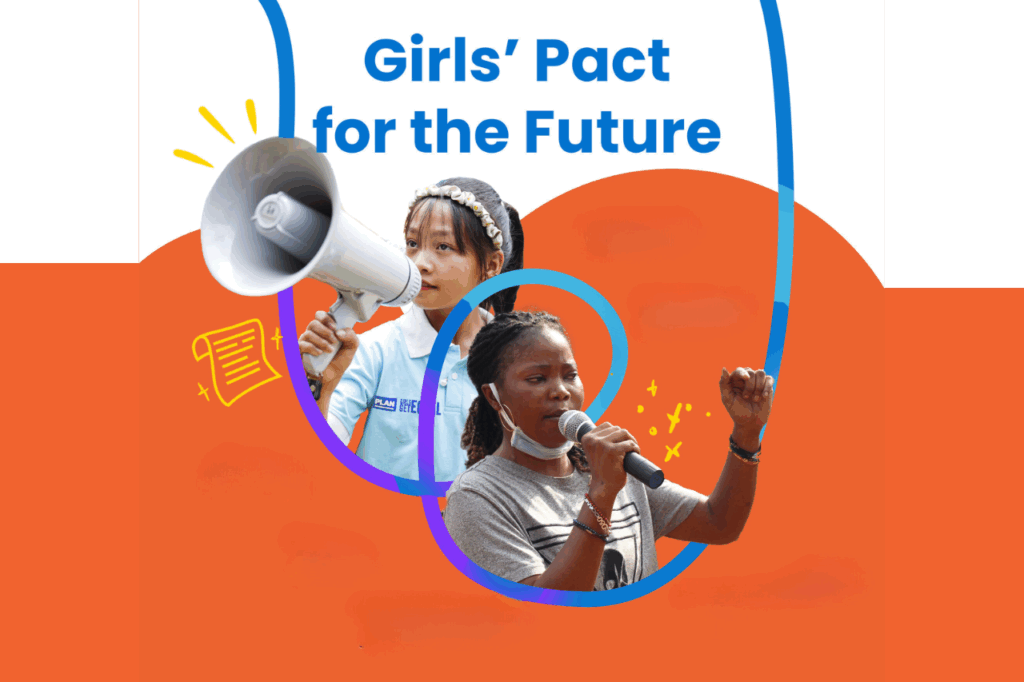
Girls advocate for the future, using megaphones and microphones in a vibrant orange and blue design.

Research on Girls and Climate Change

Since 2006, Plan International’s Real Choices, Real Lives study has been tracking the lives of girls from nine countries, following them from birth through annual interviews with family members and, from age five, with the girls themselves. With support from Irish Aid, the 2023 research focused on girls and climate change, highlighting the growing challenges climate impacts have on girls’ education and their progress towards gender equality.

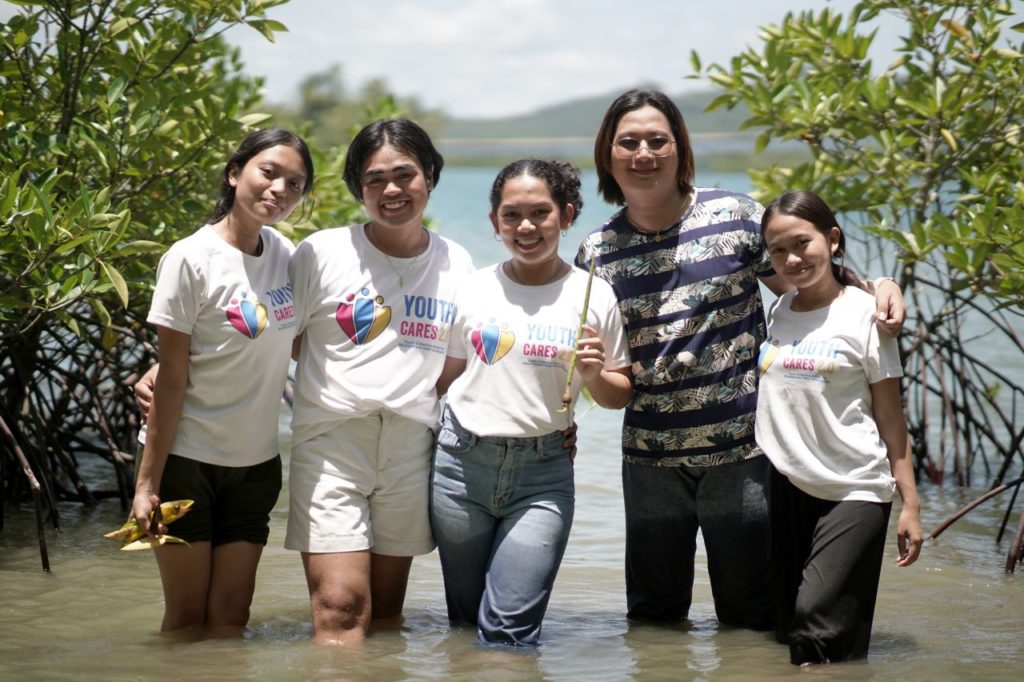
Group of friends smiling by a mangrove, participating in a youth environmental care event.

Supporting Girls, Women, and Youth Leadership

By working with communities, schools, teachers, governments, and civil society, we ensure that young people — especially girls and women — have the skills, voice, and support to lead change. Our approach strengthens economic empowerment, drives local climate action, and builds resilient, inclusive communities.