In her own words
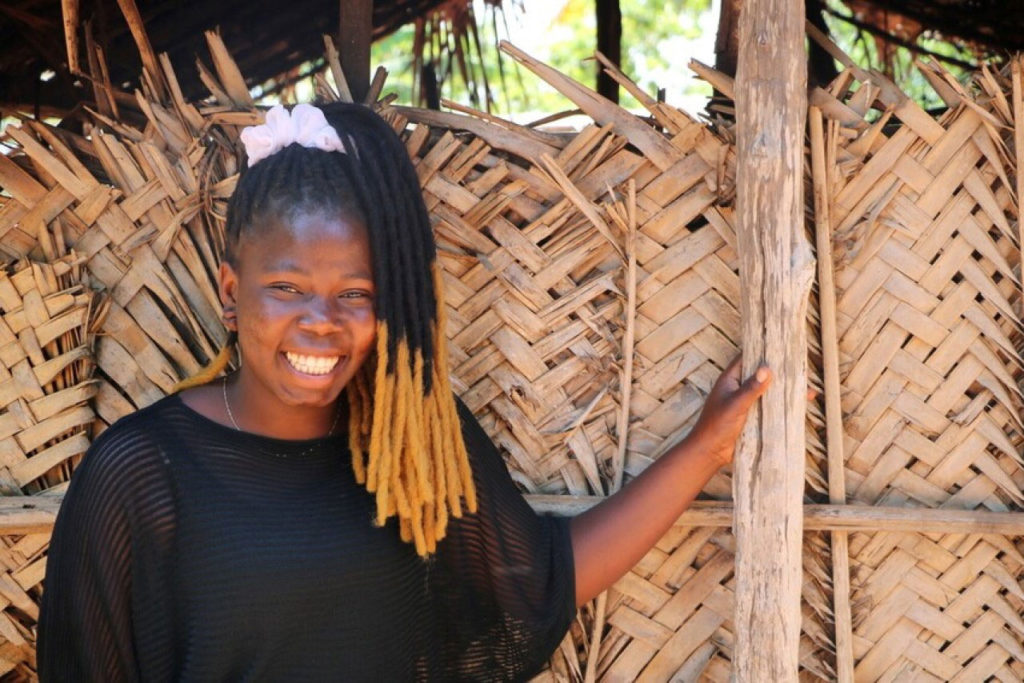
“My name is Fanta, I am 15 years old and I am a Year 8 pupil. When I get up in the morning, I wash the bowls and clean the house. Then I wash myself, get dressed, and go to school.
I was born to very young parents who were still students at the time. When my mother became pregnant, my father refused to acknowledge the pregnancy. He left my mother and me on our own.
When I was born, he was asked to recognise me, but he refused and even signed documents severing all legal ties with me. Despite the pain and disapproving looks, my mother chose to keep and protect me. She raised me alone until she met the man who became my adoptive father – a kind man who cared for me as if I were his own daughter. It is thanks to him that I learned the true meaning of family.
Having albinism has never been easy. In my community, there is a lot of prejudice. Some people believe that albinos bring bad luck, or that they are offerings to spirits. When they saw me, some people would spit on their chests, thinking it would stop them from having a child like me.
At school, my classmates teased me for my pale skin and the dark spots on it. I would often cry at the back of the classroom before wiping away my tears and carrying on with the lesson as if nothing had happened.
One day, I decided to speak to the headmaster about it. After listening to me, he called all the pupils together and reminded them that being different is nothing to be ashamed of. From that moment on, my life began to change – the teasing stopped, and I started to feel more comfortable.
Plan offered me much more than just support – it gave me my self-confidence back. Thanks to the various training sessions, I learned to accept and be proud of my albinism, and to believe in my abilities. I also received important information about menstrual hygiene and sexual and reproductive health, which has helped me understand my body better.
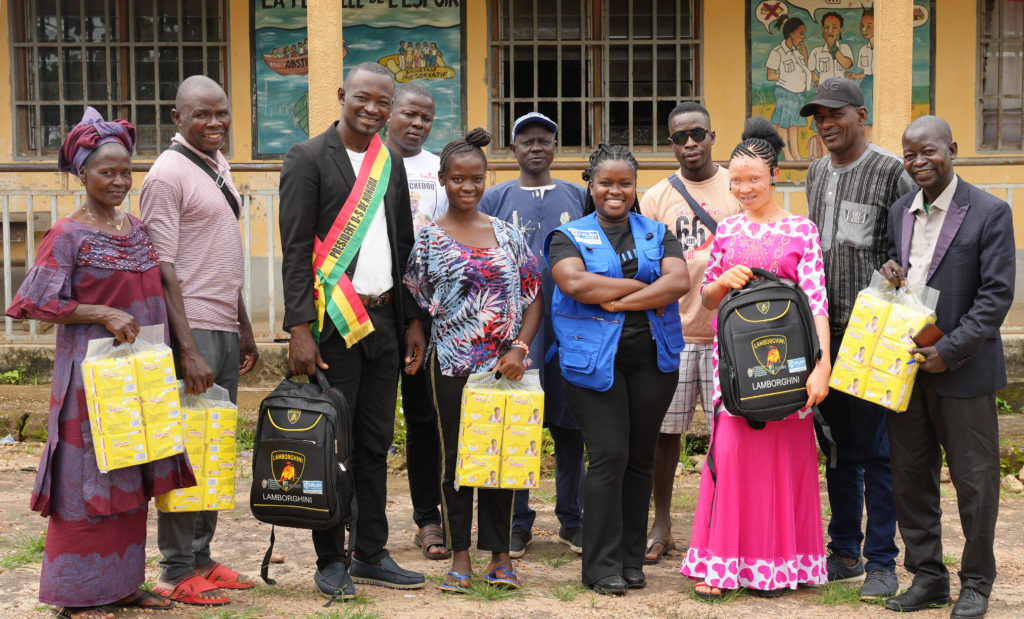
Plan also provided me with school supplies. At the start of the school year, I received a bag, notebooks, school uniforms, and other supplies. This had a big impact, as it made things easier for my mother and motivated me to continue my studies. Next year, I will have the courage to continue studying.
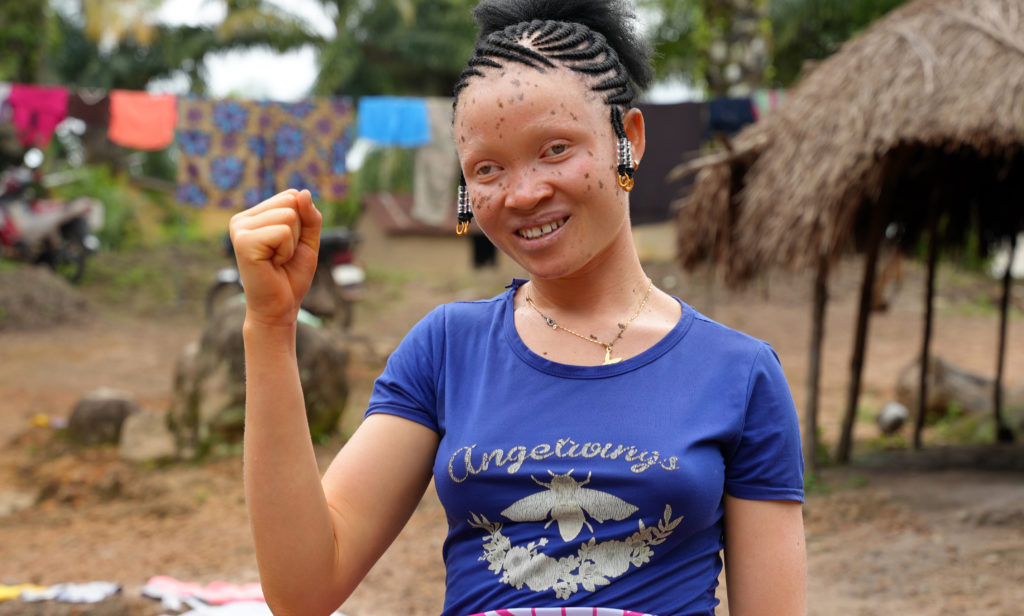
Today, I have a newfound confidence, and I walk with my head held high. I no longer hide or cry. I am proud to be myself; I am proud to be a young girl with albinism; I am proud to have overcome adversity. I have lots of friends and my parents love me.
Thanks to my family and Plan’s support, I have realised that my difference is not a weakness, but something that makes me unique. I work hard at school. I want to become a doctor and help my parents. I want to heal, comfort and give people hope, just as others did for me.”
Living with Albinism in Guinea
Children with albinism in Guinea face significant discrimination rooted in cultural myths and superstitions that portray albinism as a curse or a supernatural affliction. This can result in exclusion, psychological distress and, in some cases, physical violence. Sometimes, families abandon or hide them, which can lead to family breakdown and further isolation for the child.
Many children with albinism drop out of school due to mockery, fear of violence or a lack of provisions for their vision impairment, which is a common trait of albinism. Guinea’s education system often fails to address these needs, further compounding the exclusion experienced by these children. While Guinea enacted a law in 2019 to protect the rights of people with albinism, signalling progress, implementation is lagging due to limited resources and awareness.
Safe, Quality, Resilient, Inclusion-Based Education
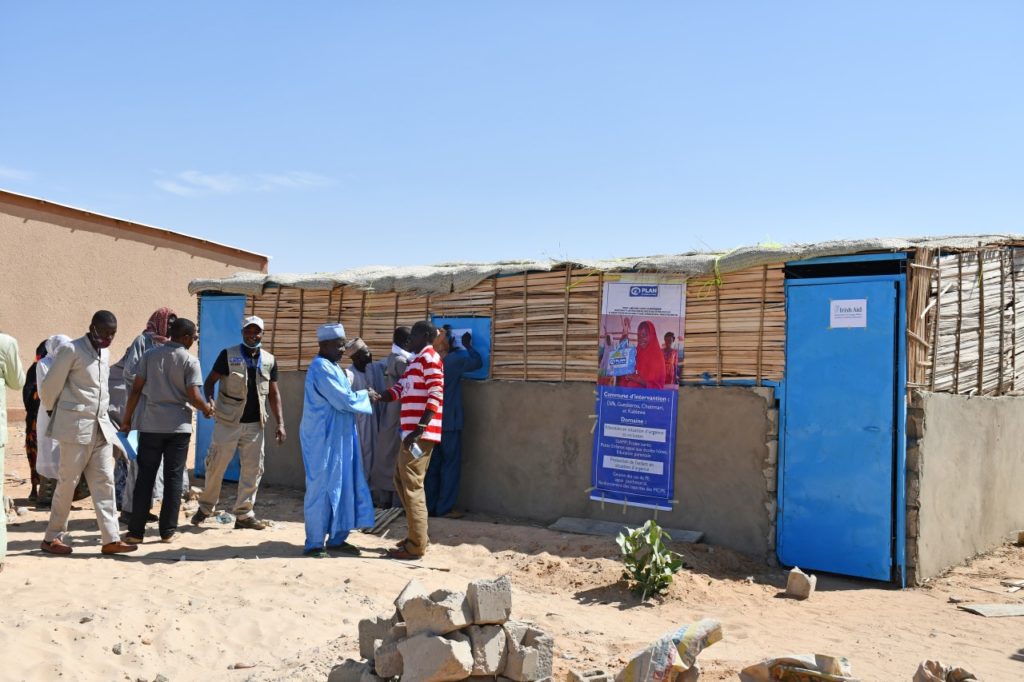
The SQRIBE (Safe, Quality, Resilient, Inclusion-Based Education) programme is a five-year initiative funded by Irish Aid and implemented by Plan International in six West and Central African countries, including Guinea. The programme focuses on realising children’s rights to safe, inclusive, gender-transformative, quality education. There is a particular emphasis on overcoming barriers for vulnerable and marginalised groups, such as children who are not in education, adolescent girls, and children with disabilities.
In Guinea, the programme supports both girls and boys by strengthening education systems, promoting primary school completion and transition to secondary education, and improving school retention, while also addressing intersecting factors such as age, gender, and disability.
Community sensitisation and awareness-raising sessions engage young people, parents, caregivers, community leaders and teachers on topics such as gender equality, gender-based violence (GBV), sexual and reproductive health and rights (SRHR), child rights, early/forced marriage and abuse prevention/reporting, with content especially tailored for children with disabilities. These sessions reduce discrimination, exclusion and vulnerability while promoting inclusive attitudes towards girls like Fanta.
Ní Saoirse go Saoirse na gcailíní
Your support helps girls like Fanta to stay safe and in school and access the tools they need to succeed.